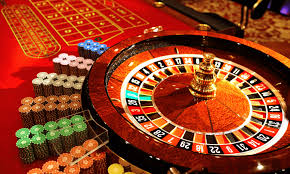
Casinos: the very mention of the word evokes images of opulence, extravagance, and the allure of fortune. These establishments, often adorned with dazzling lights and bustling with activity, have long captured the imagination of people sinardewa. Yet, beyond the veneer of glamour, lies a complex tapestry of psychology, economics, and entertainment.
A Brief History
The origins of casinos can be traced back centuries, with roots embedded in various cultures across the globe. The word “casino” itself has Italian origins, meaning “a small house.” Early incarnations of these establishments emerged in Europe during the 17th century, primarily serving as venues for social gatherings and entertainment.
However, it was in the vibrant city of Las Vegas, Nevada, that the modern concept of the casino truly flourished. In the mid-20th century, Las Vegas transformed from a modest desert town into the undisputed capital of gambling, fueled by a combination of relaxed regulations and an insatiable appetite for risk and reward.
The Anatomy of a Casino
Walk through the doors of a casino, and you’re immediately immersed in a sensory overload. The cacophony of ringing slot machines, the rhythmic shuffling of cards, and the occasional burst of cheers from victorious patrons create an atmosphere unlike any other.
But what exactly makes casinos so captivating? At their core, casinos are meticulously designed to keep patrons engaged and entertained for as long as possible. Everything from the layout of the gaming floor to the color schemes used is carefully orchestrated to maximize player retention.
The Psychology of Gambling
Behind the glitz and glamour lies a profound understanding of human psychology. Casinos leverage various psychological techniques to entice players and keep them coming back for more. One such technique is the concept of intermittent reinforcement, where rewards are delivered unpredictably, creating a sense of excitement and anticipation.
Moreover, casinos often employ subtle cues such as ambient lighting and strategic placement of amenities to create a conducive environment for gambling. The absence of clocks and windows further disorient patrons, making it easy for time to slip away unnoticed.
The Economics of Casinos
From towering skyscrapers on the Las Vegas Strip to sprawling resorts in Macau, the economic impact of casinos cannot be overstated. These establishments generate billions of dollars in revenue each year, supporting countless jobs and contributing significantly to local economies.
However, the economic benefits of casinos are often accompanied by social costs. Issues such as gambling addiction, financial ruin, and crime are prevalent in communities with a high concentration of casinos, prompting ongoing debates about the ethics of gambling.
The Future of Casinos
As technology continues to evolve, so too does the landscape of the casino industry. Online casinos have emerged as a formidable force, offering convenience and accessibility to players around the world. Virtual reality (VR) and augmented reality (AR) technologies hold the promise of immersive gaming experiences, blurring the lines between the digital and physical realms.
Furthermore, the legalization of sports betting in various jurisdictions has opened up new avenues for growth and innovation within the industry. With changing attitudes towards gambling and advancements in technology, the future of casinos is undoubtedly ripe with possibilities.
Conclusion
Casinos are more than just establishments where people go to try their luck; they are complex ecosystems that intertwine economics, psychology, and entertainment. From their humble beginnings to their current status as global icons of leisure, casinos continue to captivate and intrigue millions of people worldwide.
Yet, it’s essential to remember that behind the glitz and glamour lies a world of nuance and complexity. As we navigate the ever-evolving landscape of the casino industry, it’s crucial to approach it with a nuanced understanding of its impact on individuals and society as a whole.