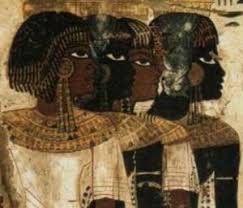
Nubia, an ancient region located along the Nile River, encompasses parts of present-day Egypt and Sudan. Known for its unique Nubian , language, and history, Nubia has long been a crossroads of civilizations, blending African and Middle Eastern influences. The Nubian people, who trace their origins back thousands of years, have maintained their distinct identity despite numerous challenges, from ancient conquests to modern displacement.
Historical Significance
Nubia’s history is deeply intertwined with that of ancient Egypt. The Nubians established powerful kingdoms, such as the Kingdom of Kush, which at times rivaled and even ruled over Egypt during the 25th Dynasty, known as the Nubian Dynasty. The Nubians left a significant mark on ancient Egyptian culture, contributing to its art, architecture, and religion. The iconic pyramids at Meroë, though less famous than their Egyptian counterparts, stand as a testament to Nubia’s architectural prowess.
Archaeological evidence suggests that Nubia was a center of trade, connecting sub-Saharan Africa with the Mediterranean and the Middle East. Gold, ivory, ebony, and other valuable commodities passed through Nubian lands, enriching its kingdoms and facilitating cultural exchange. Nubian warriors were also renowned for their skill, serving as elite soldiers in Egyptian armies.
Language and Religion
The Nubian language, part of the Nilo-Saharan language family, is still spoken today, although it faces the threat of extinction due to the dominance of Arabic in the region. Efforts are being made to preserve and revitalize the language, which is a crucial aspect of Nubian identity.
Religion in Nubia has evolved over millennia. In ancient times, the Nubians worshipped a pantheon of gods, some of whom were shared with the Egyptians, such as Amun and Isis. With the spread of Christianity in the 6th century CE, Nubia became a Christian stronghold, and several Christian kingdoms, including Makuria, thrived in the region. However, with the arrival of Islam in the 14th century, most Nubians gradually converted to Islam, a faith that remains predominant today. Despite this, elements of Nubian traditional beliefs and practices continue to influence their cultural and spiritual life.
Art and Architecture
Nubian art and architecture are characterized by a unique blend of African and Egyptian influences. The region’s ancient temples, pyramids, and burial sites reflect a high level of craftsmanship and artistic achievement. The pyramids of Nubia, particularly those at Meroë, are smaller and steeper than the Egyptian pyramids, yet they hold great historical significance as royal tombs.
Nubian pottery, known for its intricate designs and vibrant colors, is another hallmark of the region’s artistic heritage. Traditional Nubian homes, often painted in bright colors with geometric patterns, are a reflection of the community’s aesthetic sensibilities and cultural pride.
Modern Challenges and Cultural Resilience
In the 20th century, the construction of the Aswan High Dam in Egypt led to the flooding of much of Nubia, displacing thousands of Nubians from their ancestral lands. This event, known as the Nubian Exodus, was a significant blow to the Nubian community, as it severed their deep connection to the Nile River and their historical homeland. Despite this, the Nubians have shown remarkable resilience, preserving their cultural traditions and fostering a strong sense of identity.
Today, Nubians continue to face challenges, including cultural assimilation and economic marginalization. However, there is a growing movement among Nubians to reclaim and celebrate their heritage. Nubian music, dance, and oral traditions play a vital role in this cultural revival, serving as both a means of preserving history and a form of resistance against cultural erosion.
Conclusion
The Nubians are a people of ancient heritage and enduring strength. From their contributions to the ancient world to their ongoing struggle to maintain their identity in the modern era, the Nubian story is one of resilience, cultural richness, and pride. As efforts to preserve Nubian language, art, and traditions continue, the legacy of Nubia will remain a vibrant thread in the tapestry of African history and culture.