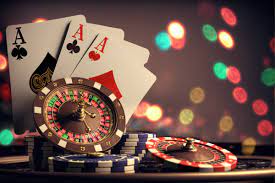
Slot games are a popular form of digital entertainment found on many online gaming platforms and in traditional casinos. Their colorful graphics, simple controls, creative themes, and sound effects attract players with different levels of gaming experience. Modern slot games also include interactive bonus rounds, animated characters, and a wide range of visual styles that make each game feel different.
Understanding how slot games work can help readers learn about their main features, common varieties, and the technology behind their results.
What Are Slot Games?
Slot games are games of chance in which symbols olxtoto gacor on spinning reels. Players typically start a round by selecting a stake and activating the spin feature. The reels then stop, displaying a combination of symbols according to the game’s rules.
Depending on the specific game, certain symbol combinations may trigger a payout or activate a special feature. However, the outcome of each spin is uncertain, and no particular combination is guaranteed to appear.
Traditional slot machines used physical reels and mechanical components. Modern digital versions use software to reproduce the spinning-reel experience while adding animations, sound effects, and interactive elements.
Different Types of Slot Games
Slot games come in several formats, each offering a different visual style and playing experience.
Classic Slots
Classic slots take inspiration from traditional machines. They often feature a small number of reels, simple layouts, and familiar symbols such as bells, fruit, stars, and sevens. Their straightforward design makes them easy to understand.
Video Slots
Video slots are software-based games that commonly feature five or more reels, detailed animations, and themed backgrounds. Their themes may include mythology, adventure, fantasy, nature, or fictional stories.
Some games also contain bonus stages that introduce additional animations or different gameplay mechanics.
Progressive Jackpot Slots
Progressive jackpot slots may contribute a portion of eligible wagers to a shared prize pool. Depending on the game’s structure, the jackpot can increase as more qualifying plays take place.
These games sometimes advertise large potential prizes, but winning a jackpot is uncommon and is never assured.
Themed Slots
Themed slots are built around a particular concept, setting, or visual identity. A game might use ancient civilizations, underwater environments, space exploration, or seasonal celebrations as its theme.
Music, symbols, and animations are designed to support the chosen setting and create a consistent experience.
Common Features Found in Slot Games
Modern slot games often combine basic reel mechanics with additional features.
Reels and symbols: Reels display symbols, while the game’s rules determine which combinations qualify for prizes or other effects.
Paylines and ways to win: Paylines are predefined patterns used to evaluate symbol combinations. Other games use alternative systems, such as adjacent-symbol clusters or multiple symbol-position combinations.
Wild symbols: Wild symbols may substitute for selected regular symbols to help complete qualifying combinations. Their exact function depends on the game’s rules.
Scatter symbols: Scatter symbols can activate special features or bonus rounds when the required conditions are met.
Free spins: Some games offer free-spin rounds as a bonus feature. These rounds have specific rules, and their outcomes remain uncertain.
Bonus games: Interactive bonus stages may introduce different visuals, selections, or gameplay mechanics. Their presence does not guarantee a prize.
The Technology Behind Digital Slots
Most modern digital slot games use a random number generator, commonly known as an RNG, to determine game outcomes. In properly implemented systems, the RNG produces results according to the software’s design and applicable technical standards.
The reels and animations shown on the screen present the outcome in a visual format. A spin that appears close to a winning combination does not mean the next spin is more likely to win.
Licensed gaming operators may be subject to testing, certification, and regulatory requirements. Standards differ by jurisdiction, so players should not assume every website offers the same level of oversight.
Understanding RTP and Volatility
Two terms often used when discussing slot games are return to player and volatility.
Return to Player (RTP)
RTP is a theoretical percentage describing how much a game is designed to return to players over a very large number of plays. For example, a theoretical RTP of 96% represents an expected return of 96 units for every 100 units wagered across an extensive number of plays.
It does not mean an individual player will receive 96% of their money back in a particular session. Short-term results can vary considerably, and losses may exceed the amount a player expects.
Volatility
Volatility describes the general pattern of a game’s payouts. Lower-volatility games tend to have smaller, more frequent wins, while higher-volatility games may produce less frequent wins with greater variation in size.
Neither type guarantees a positive result. RTP and volatility are useful concepts for understanding a game’s design, not for predicting the outcome of a specific spin.
Why Slot Games Remain Popular
Several factors contribute to the continued popularity of slot games. Their basic controls are easy to learn, while different themes and bonus features provide variety. Digital platforms also make games accessible through compatible computers and mobile devices.
Developers regularly experiment with visual effects, sound design, story elements, and new reel mechanics. This variety gives games different identities, although impressive graphics and complicated bonus rounds do not necessarily change the underlying uncertainty of the results.
Responsible Gaming and Player Awareness
Slot games involving real-money wagers carry financial risks. It is important to understand the rules, minimum and maximum stakes, and payout conditions before participating.
Anyone choosing to play should establish a strict spending limit, use only money they can afford to lose, and avoid borrowing money or trying to recover previous losses. Time limits can also help prevent gaming from interfering with work, relationships, or everyday responsibilities.
Free-play versions may allow people to explore game mechanics without placing real-money wagers, although virtual results do not guarantee similar outcomes in real-money play. Age restrictions and local laws should always be respected.
If gaming begins to cause financial stress or feels difficult to control, taking a break and seeking support from a trusted person or an appropriate support service can be helpful.
Conclusion
Slot games have developed from traditional mechanical machines into digital experiences featuring animated reels, themed graphics, bonus rounds, and sophisticated software. Learning about game types, symbol combinations, RNG technology, RTP, and volatility provides a clearer understanding of how they operate.
Although slot games can offer engaging entertainment, their outcomes remain uncertain, and there is no reliable method to guarantee a win. Understanding the risks and maintaining responsible limits are essential when exploring this form of gaming.